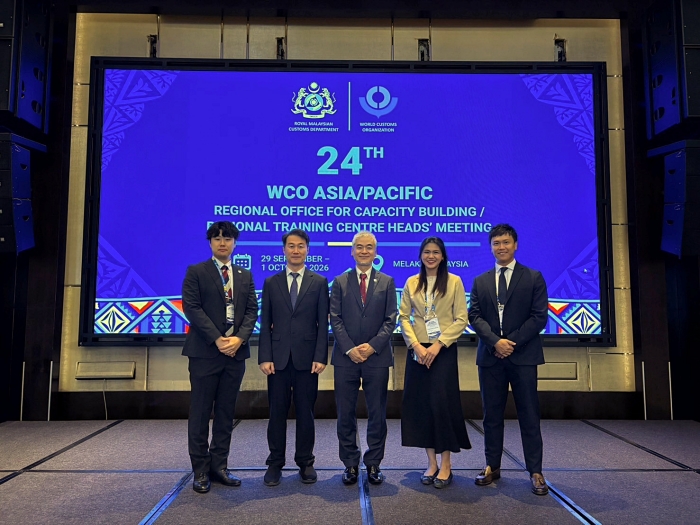
24th WCO Asia/Pacific RTC Heads Meeting held in Melaka, Malaysia
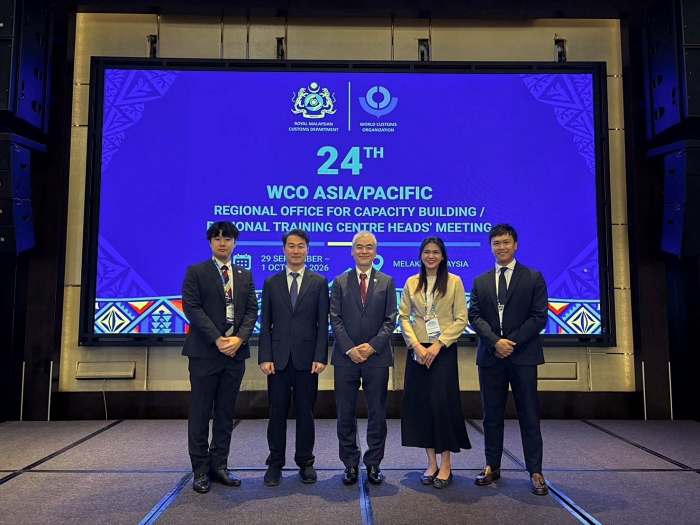
29 September – 1 October 2026, Melaka, Malaysia
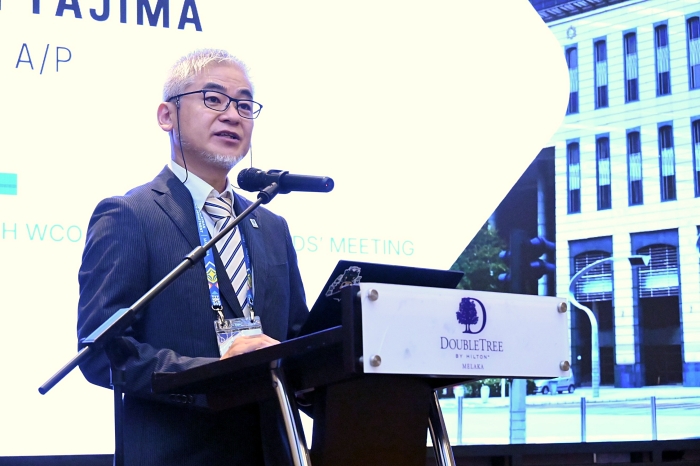
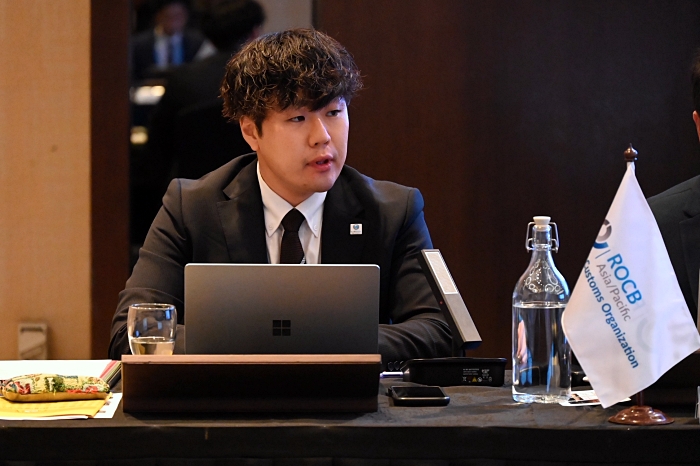
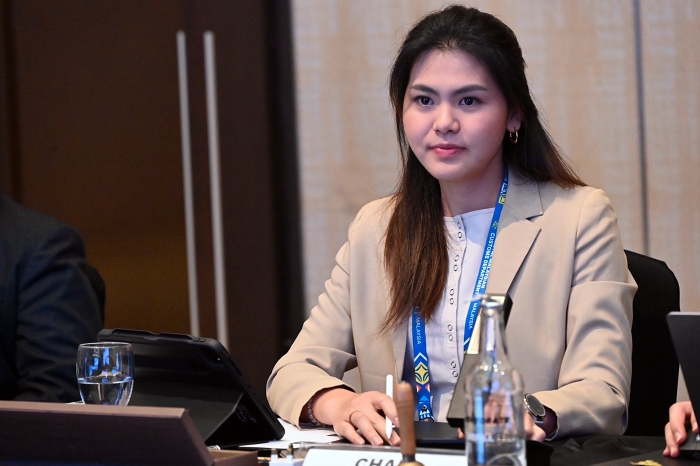
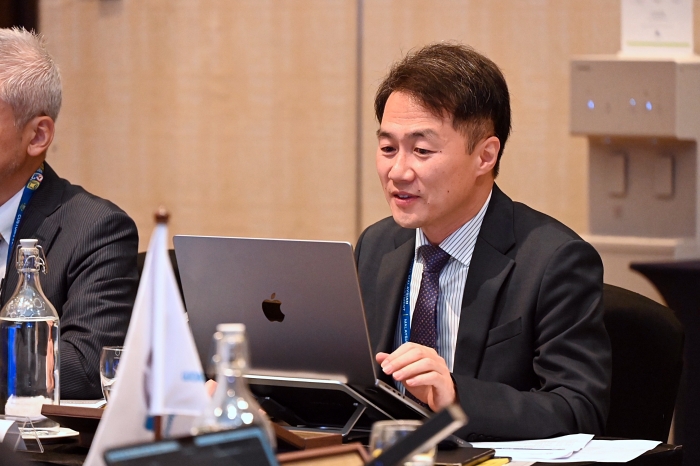
The 24th Meeting of the Heads of WCO Asia/Pacific Regional Training Centres (RTCs) was held from 29 September to 1 October 2026 in Melaka, Malaysia. The event was organized by the Asia/Pacific Regional Office for Capacity Building (ROCB A/P) and co-hosted by the Royal Malaysian Customs Department (RMCD) / RTC Malaysia (AKMAL). It brought together the Heads of RTCs from across the Asia-Pacific region together with representatives from the WCO Secretariat, the Asia/Pacific Vice-Chair’s Office, and the Regional Intelligence Liaison Office for Asia and the Pacific (RILO A/P).
The meeting opened with a strong emphasis on the critical importance of empowering Customs professionals through high-quality training and human resource development as a foundation for security, national revenue, and economic prosperity. Over three days, RTC leaders shared innovative solutions, recent training developments, and operational strategies aligned with the WCO’s 2026 theme: “Customs protecting society through vigilance and commitment.”
Key sessions focused on practical efforts to modernize training curricula, incorporate digital tools, and address challenges in strengthening border protection and trade facilitation. Delegates also undertook a site visit to RTC Malaysia (AKMAL), where they observed campus facilities and training demonstrations.
A central highlight of the meeting was the in-depth discussion on operationalizing the WCO’s New Capacity Building Paradigm. Participants examined the strategic shift toward impact-focused capacity building. They identified key gaps and challenges, including clearer problem definition at the outset, the need for stronger common understanding between experts and beneficiaries, and robust follow-up systems..
In response, the meeting formulated concrete, actionable strategies across the full capacity-building cycle:
Before workshops: Securing high-level management involvement, joint development of Terms of Reference with measurable outcomes, stakeholder engagement in agenda setting, RTC pre-assessment of knowledge gaps, and nomination of the right participants in positions able to apply the learning.
During workshops: Encouraging active participation and two-way communication, increasing simulation and practical activities, requiring participants to present country reports and gaps, and developing concrete action plans.
After workshops: Conducting follow-up (coaching and workplace application checks), ensuring supervisor evidence of application, and establishing mechanisms within RTCs to cascade knowledge.
Participants also clarified possible quantitative outcomes and qualitative outcomes. The results of these discussions will be incorporated into the Compendium of Training Management in the A/P Region in cooperation with Members.
Throughout the meeting, the RTCs reaffirmed their evolving role —proactive centres that drive sustainable operational improvement. ROCB A/P continues to serve as the regional hub for capacity building, facilitating coordination and maximizing the collective contribution of the RTC network across the Asia/Pacific region.
The Head of ROCB A/P expressed appreciation for the active engagement of all participants and the warm hospitality of the Royal Malaysian Customs Department and RTC Malaysia. The productive exchanges on the New Capacity Building Paradigm and impact-focused approaches are expected to guide future regional capacity-building efforts. Continued collaboration remains essential to strengthen the Asia-Pacific Customs community.
For more information, please contact us at rocb@rocbap.org